Heart rate, kilometres, nutrition – have you thought of everything? Your brain also plays a role in how hard training feels and how well you recover. A neuroscientist explains what you need to know.

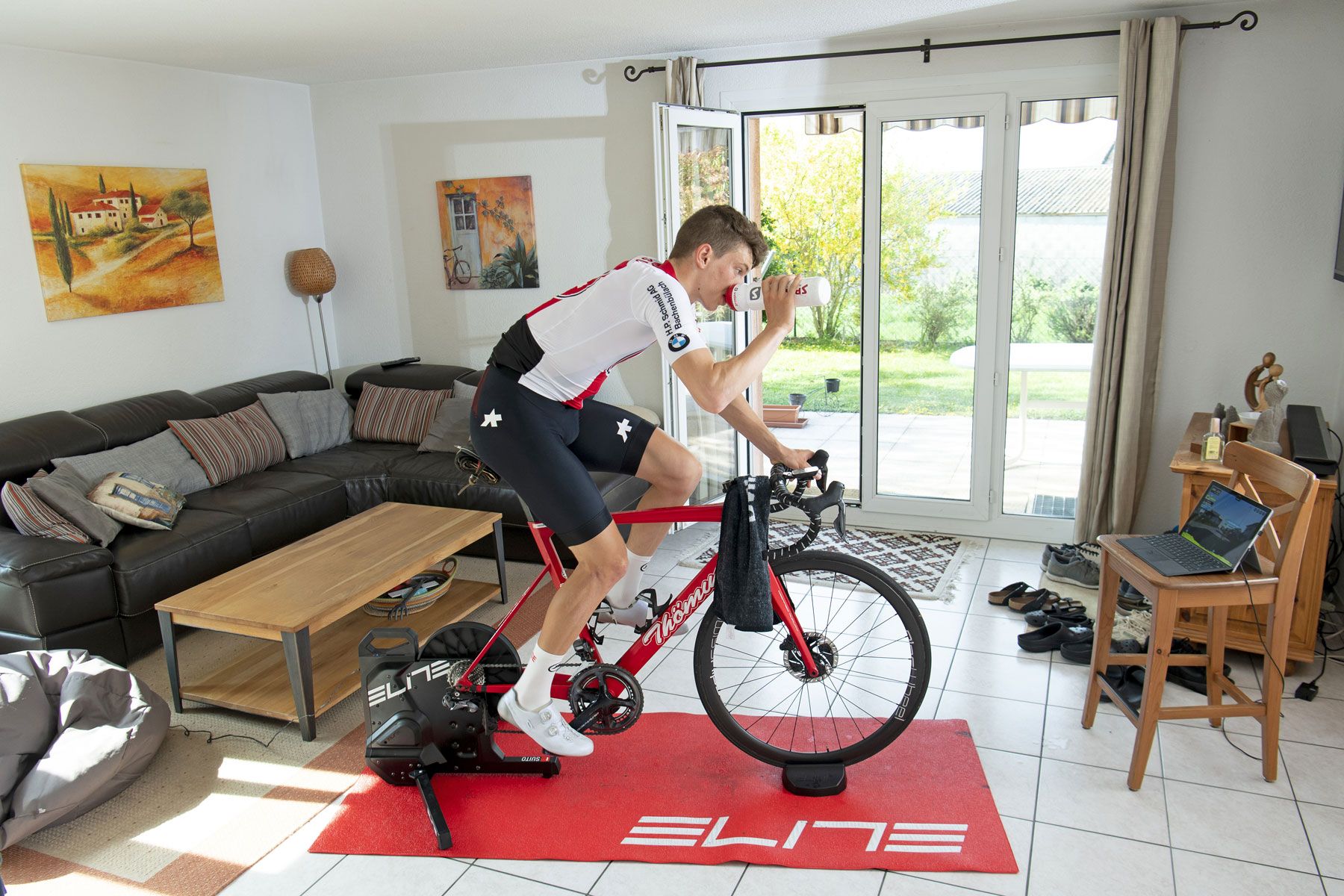
Heart rate, kilometres, nutrition – have you thought of everything? Your brain also plays a role in how hard training feels and how well you recover. A neuroscientist explains what you need to know.

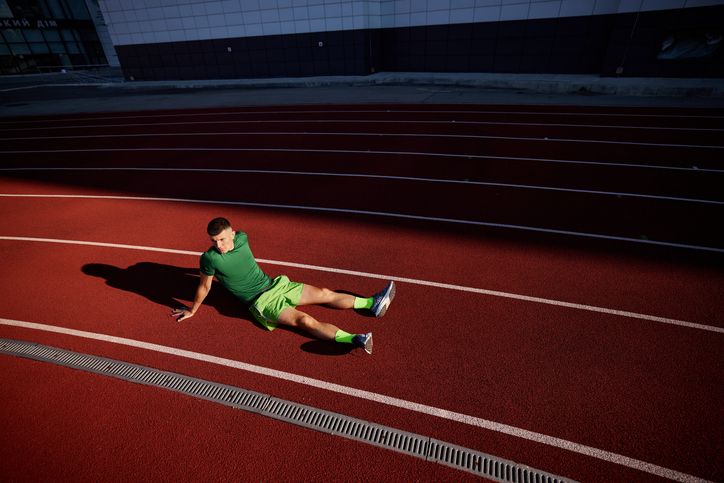
Training hard all year round isn't necessarily the best way to improve your performance. A planned break of one to four weeks after the season's main event is not a step backwards. Quite the opposite: it's an essential part of preparing for the season ahead. But when should you take a break, how long should it last, and what can you still do during this time?

If you want to hit the ground running when the cycling season begins in spring, winter is the time to build your fitness – often on the turbo trainer. With the right training sessions, effective cooling and careful control of intensity, indoor cycling can become one of the most effective ways to train throughout the year.

Push-ups, squats, pull-ups – you can train with your own bodyweight almost anywhere. Yet many people see little or no increase in strength. The reason: bodyweight training is not a training goal in itself, but simply a tool – what matters is how you use it.

Many runners will be familiar with the problem: the Achilles tendon hurts, feels tender under load or starts to make itself felt after training. This can be a persistent issue, as tendons have a relatively poor blood supply and heal slowly. Patience is essential – along with the right training.

If you spend a long time sitting down, you may notice it in your lower back. However, the cause often lies elsewhere: deep in the hip, in a muscle called the psoas. A short routine can help keep it mobile and strong.

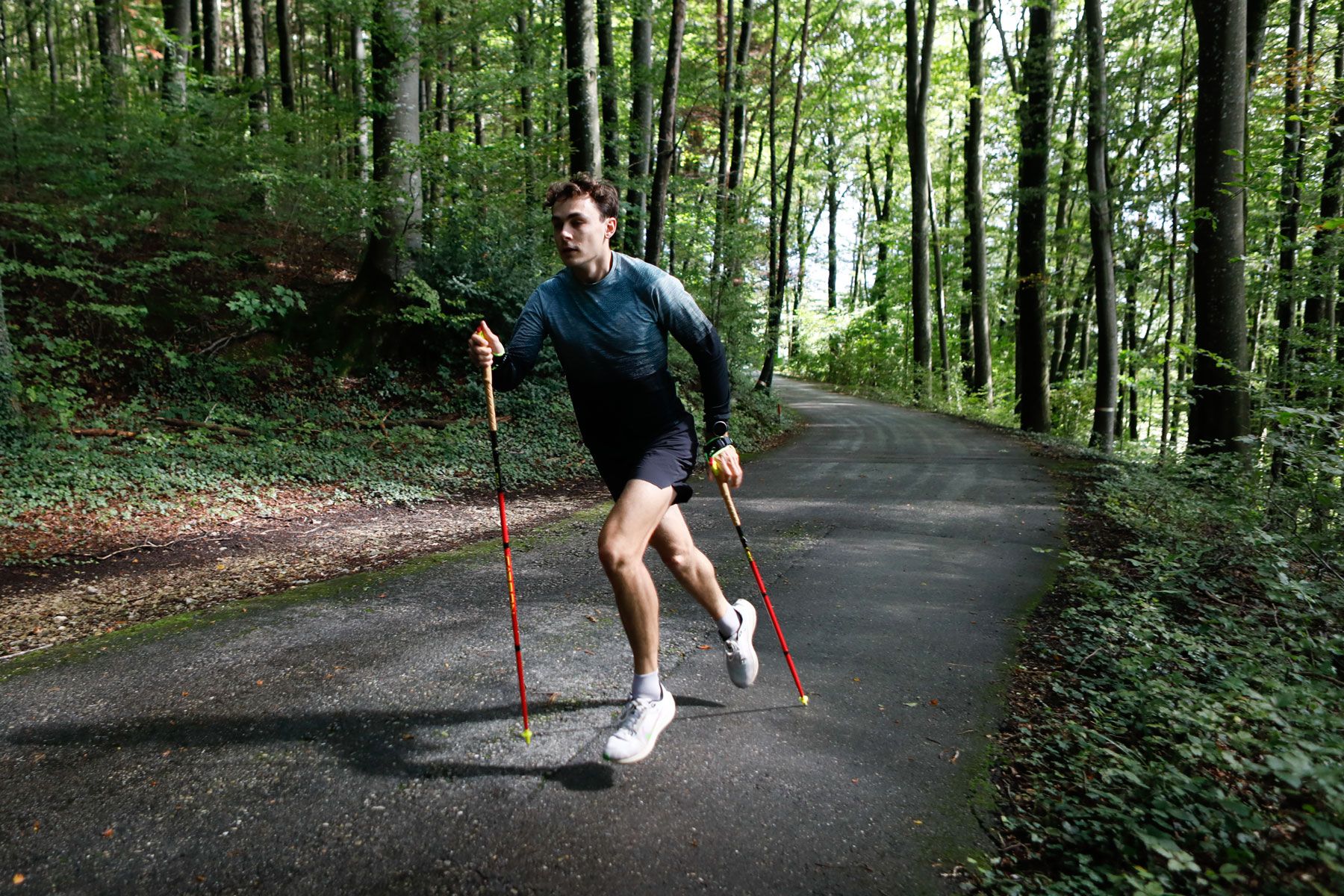
If you want to enjoy your cross-country skiing in December with confidence and good technique, now is the time to lay the foundations. With the right preparation, you can turn a challenging start to the season into an enjoyable experience from the very first kilometre.

Heavy legs and waning motivation as the season draws to a close? That’s normal. Rather than training even harder, focus on your mental game: here are 3 simple strategies to help you approach your final race with a clear and focused mind.

A calf cramp in the middle of a race – the immediate suspicion is usually that you have not drunk enough or are lacking electrolytes. A new hypothesis from sports science shifts the focus to a factor that has received little attention to date: the mechanical properties of the surface we run on.