Training tips
10 tips for skating training
Even at the start of the cross-country ski season, a clever mix of different training sessions makes all the difference. 10 tips on how to efficiently plan your cross-country ski training.
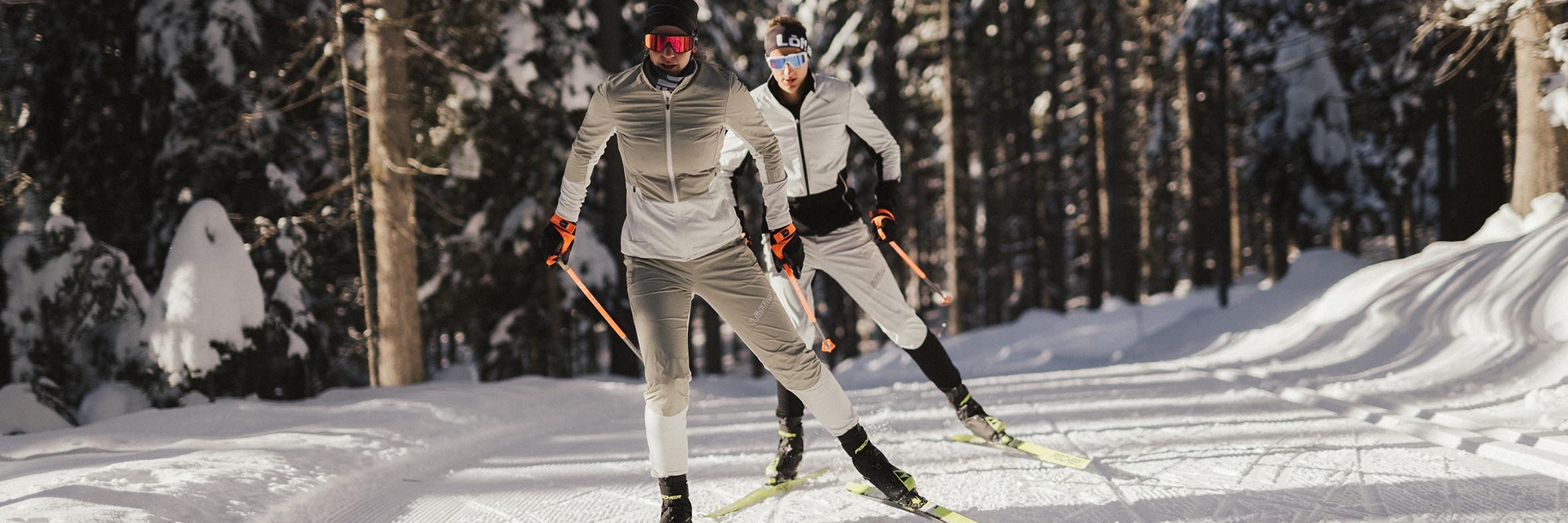
Are you preparing for your first cross-country ski training this winter? Here are 10 tips for a perfect start to the season.
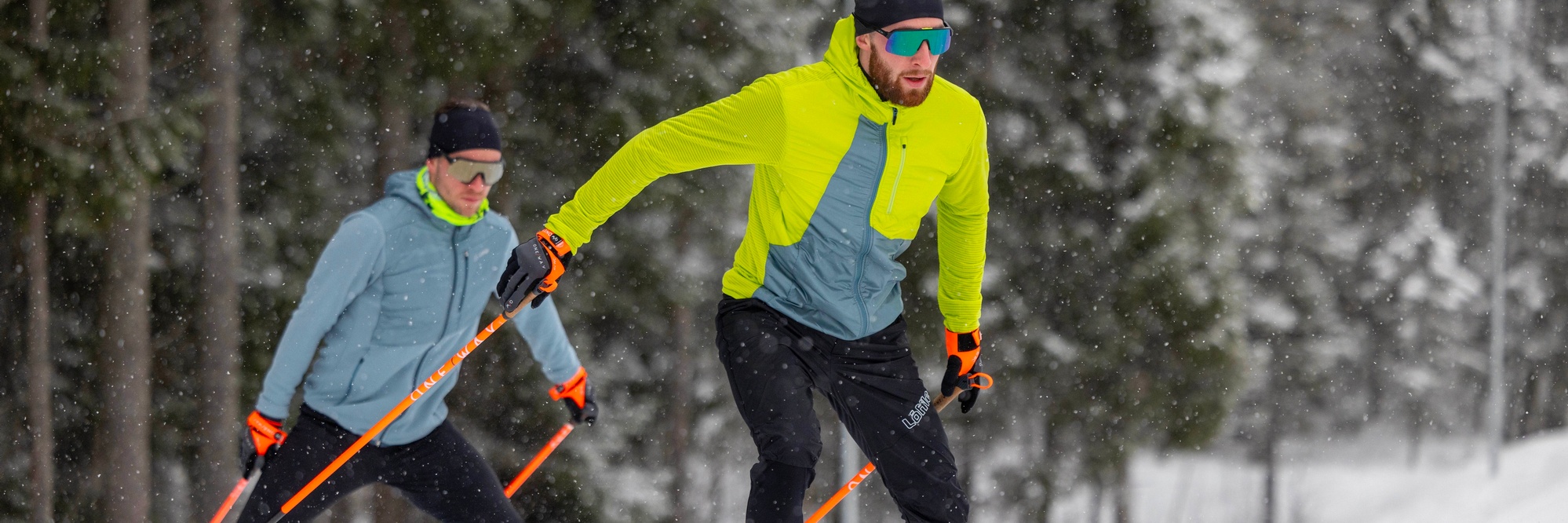
Functional clothing according to the onion principle is essential during the cold season as it lets you can adapt to the respective temperature and, if necessary, take something off or put it back on. It’s important to protect your hands and ears from wind and cold – either with a cap or a headband. We recommend a small backpack for quickly changing clothes in the snack bar.
You should spend five to ten minutes warming up in winter to get your body used to the upcoming effort. It's best to do a few skill exercises before each training session. These might include gliding exercises on one ski, for example. This helps you get warm while also working on a long glide. Of course, always practise on both sides!

As petite young women fly past you at high speed, you will soon realise that cross-country skiing is not about strength, but about coordination and balance. Therefore, at the beginning of winter you should avoid stubbornly ploughing through the cross-country ski run in one go, but always incorporate technique, gliding and balancing exercises.
Error patterns become more and more pronounced as a result of constant repetition and should be avoided from the very beginning. Treat yourself to a coach for one or more lessons at the start of the season. A cross-country ski expert can show you the most important points and exercises on how to work on your mistakes.
Cross-country skiing means endurance – and this is usually over a longer period of time at altitude. Especially during the upcoming holidays, keep things in check and don't try to overdo it every day. Also plan some very easy sessions, which might also be a bit longer.
At altitude, the temperatures in winter can become icy. Avoid intensive peak performance in very cold temperatures. Make sure that you skate easily and relaxed and that your pulse is no more than 65-75 percent of your maximum heart rate. Take breaks when your heart rate gets too high (beginner skaters!). At sub-zero temperatures, aim for nasal breathing so that the cold air is pre-warmed before it flows into the lungs. If necessary, you can tie a cloth or scarf around your mouth and nose to help.
Cross-country skiing requires fast energy in the form of carbohydrates – otherwise you'll hit the wall after one and a half to two hours. Always take carbohydrate-based drinks, sugary snacks, waffles, gels or bars to snack on while on the pistes and fend off any hunger pangs. Make sure that the food doesn’t become rock hard in cold temperatures (bars).
In winter, you often get the impression that you are sweating less, but appearances are deceptive. Drinking plenty is important (at least 4 to 8 dl of fluids per hour)! Therefore, take water, warm tea or a sports drink with you (with a drinking belt or in a backpack). And drink a hot broth in the snack bar.
After exercising, you should try to minimise the time spent in wet clothes. You should therefore remove any wet clothes as soon as possible. So first put on a dry vest before heading to the snack bar or driving home. The following also applies: Take a shower and change your clothes first, then stretch.
Training with infections or a flu is taboo – and risky! In extreme cases, this can affect the heart muscle. Give yourself enough time to recover and take it easy when you resume training.
Even at the start of the cross-country ski season, a clever mix of different training sessions makes all the difference. 10 tips on how to efficiently plan your cross-country ski training.
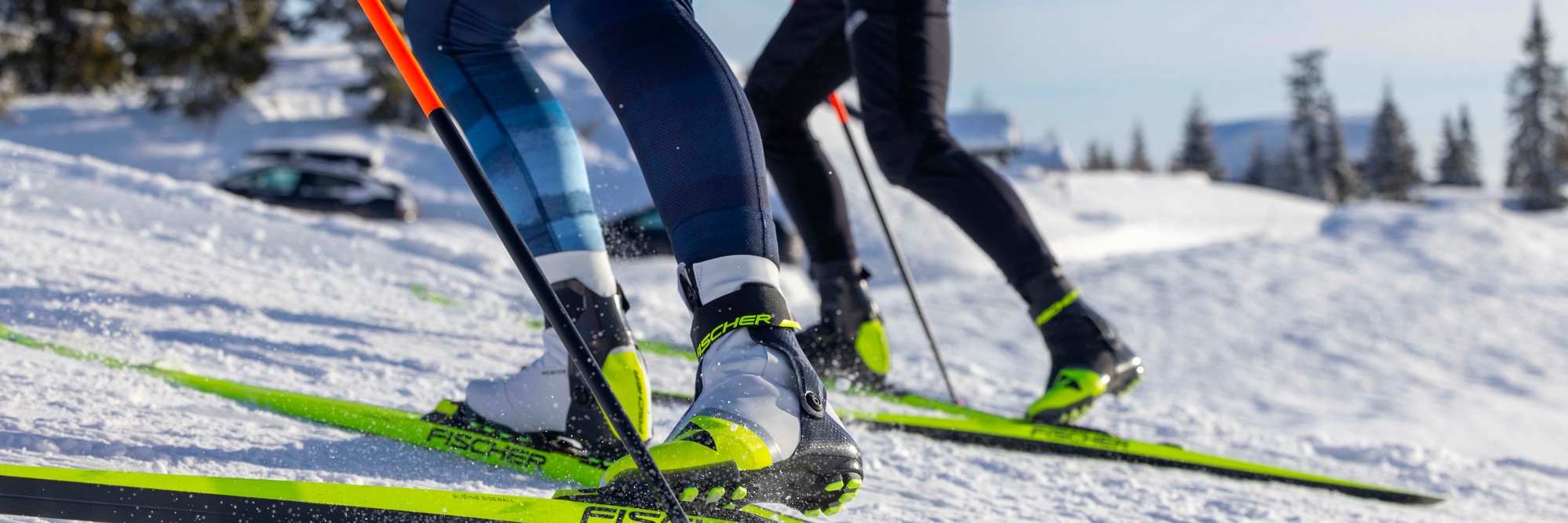
A good skating ski can quickly cost 500 francs or more - without bindings, of course. How long they last depends on several factors.